A Cry Against Moroccan Repression and a Call for the Right to Self-Determination**
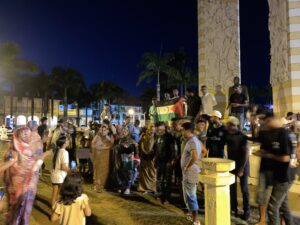
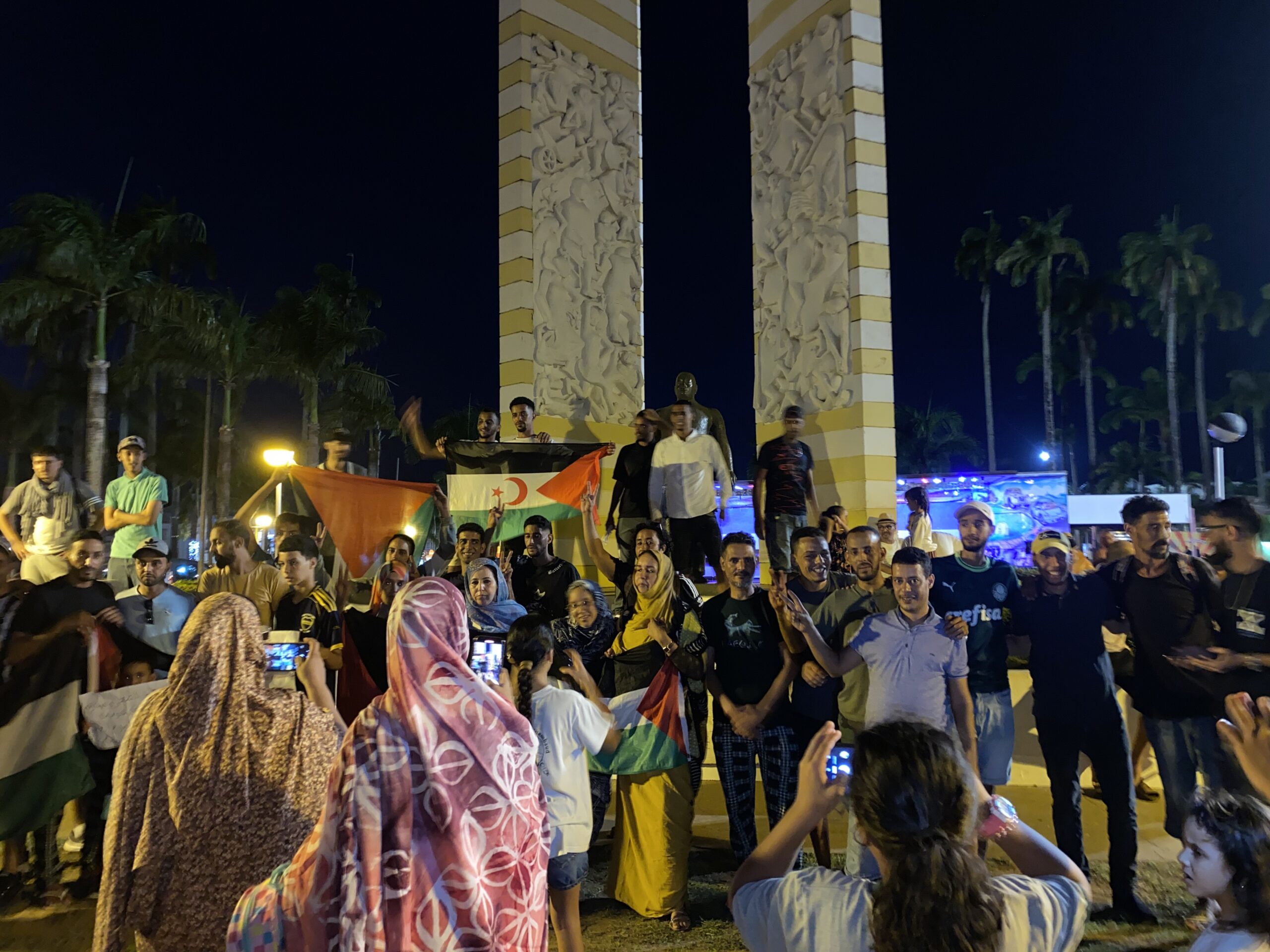
In French Guiana, a group of Sahrawi activists held a symbolic gathering on International Human Rights Day to expose the reality of what the Sahrawi people have endured for more than fifty years under Moroccan occupation. The event delivered a clear message to the international community: the Western Sahara issue remains an open wound, and the situation in the occupied territories urgently requires independent human rights monitoring, as the region is one of the least protected zones in the world.
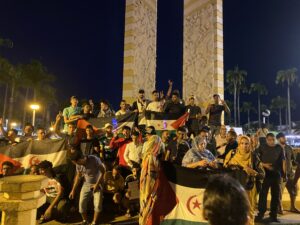
Displacement and Separation of Sahrawi Families — A Systematic Policy
Participants emphasized that the Moroccan authorities continue to follow a deliberate policy aimed at fragmenting and dispersing Sahrawi society through forced displacement, family separation, and various forms of pressure and intimidation designed to silence any Sahrawi voice demanding legitimate rights. They added that Morocco consistently obstructs UN efforts, refusing to allow MINURSO to include human rights monitoring in its mandate, fearing that daily abuses against Sahrawi civilians would be exposed.
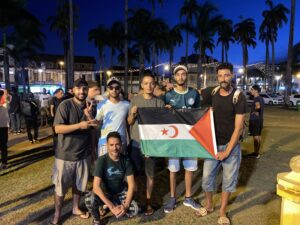
Systematic Repression and the Abduction of Dissidents
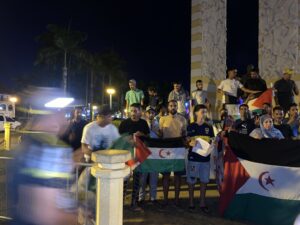
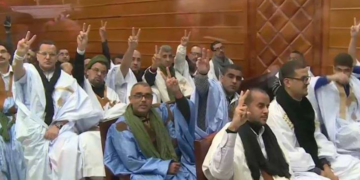
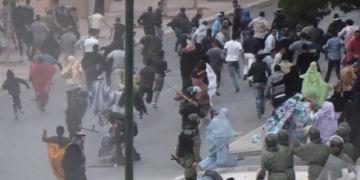
The activists described their reality before leaving their homeland: police violence, abductions, harassment, and politically motivated trials used as tools to silence dissent. Some reported that their families in the occupied territories are still subjected to surveillance and pressure, as Moroccan forces continue to target relatives to force activists into silence or exile.
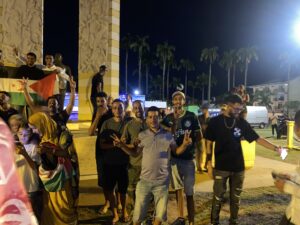
Unstable Asylum Status and Continued Hardship in French Guiana
Despite escaping direct threats and security persecution, many Sahrawis in French Guiana have not yet obtained official refugee protection, even though they possess testimonies and evidence of torture and repression. For many, returning to Morocco would mean facing arrest, torture, or enforced disappearance.
Participants highlighted the difficult living conditions they face in French Guiana, suffering from the lack of access to work, insufficient financial assistance, and a high cost of living, which deepens their vulnerability despite being among those most in need of international protection.
Fear of Deportation and Returning to “the Hell of Moroccan Intelligence”
The activists expressed fear of possible deportation to Morocco, where returnees face a high risk of arbitrary arrest, torture, fabricated charges, or disappearance—practices documented by major human rights organizations such as Amnesty International and Human Rights Watch, which have repeatedly reported Morocco’s systematic retaliation against Sahrawi dissidents.
Longing for Their Families — An Open Wound
The gathering was not only a political message but also a deeply human one. The activists spoke with emotion about their longing for their families and homeland, and about being prevented from seeing their loved ones for many years due to Moroccan surveillance that makes even simple family visits dangerous.
A Unified Message: The Sahrawi People Remain Firm in Their Legitimate Right
The gathering demonstrated, clearly and powerfully, that despite five decades of occupation, resource exploitation—from phosphates to fisheries—and systematic repression, the Sahrawi people remain firmly committed to their legitimate right to self-determination and independence, a right guaranteed by the UN Charter, the International Court of Justice, and numerous resolutions of the UN General Assembly.