A Tense Ground Reality
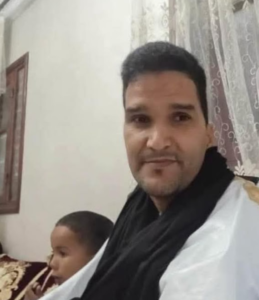
A residential neighborhood in the city of Bojador, Western Sahara, witnessed today a heavy security presence coinciding with preparations to receive the released Sahrawi prisoner Abd El Moula Mohamed El Hafidhi, one of the Sahrawi students and activists previously arrested in connection with politically sensitive cases in Marrakesh.
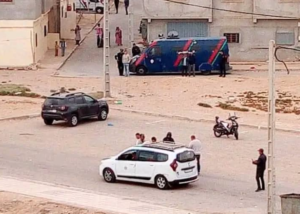
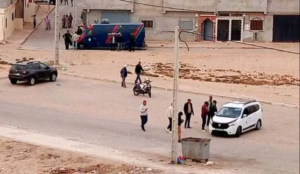
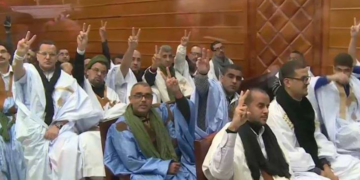
According to consistent testimonies from Sahrawi activists and local sources, security forces prevented relatives, Sahrawi families, and political activists from reaching the family home, a move described by rights-oriented actors as part of an ongoing pattern of restrictions on assembly and expression in the region.
Movement Restrictions and Targeting of a Human Rights Activist
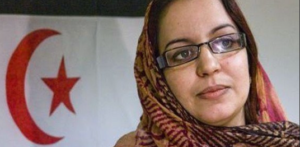
Field sources also report that Sahrawi human rights activist Sidi Ibrahim Khaya was forcibly stopped from continuing her journey after arriving in Bojador from Laayoune.
The same sources indicate that she was forcibly removed and transported under security intervention, during which verbal abuse was reportedly recorded. These accounts raise renewed concerns among activists regarding freedom of movement and the treatment of Sahrawi human rights defenders.
A Controlled and Restricted Return Journey
According to information provided by the family environment, the return journey of Abd El Moula El Hafidhi from the city of Safi, where he was released, was not conducted under normal conditions.
Multiple checkpoints and repeated stops were reportedly recorded along the route, with restrictions on passing through certain cities, leading to significant delays.
Sources close to the family state that the convoy included family members and children, who were exposed to difficult travel conditions under high temperatures, further intensifying the hardship of the journey.
From Student Activism to Political Prosecution
Abd El Moula Mohamed El Hafidhi originates from Bojador and was previously a student at Cadi Ayyad University in Marrakesh, as well as a media activist and poet within Sahrawi cultural circles.
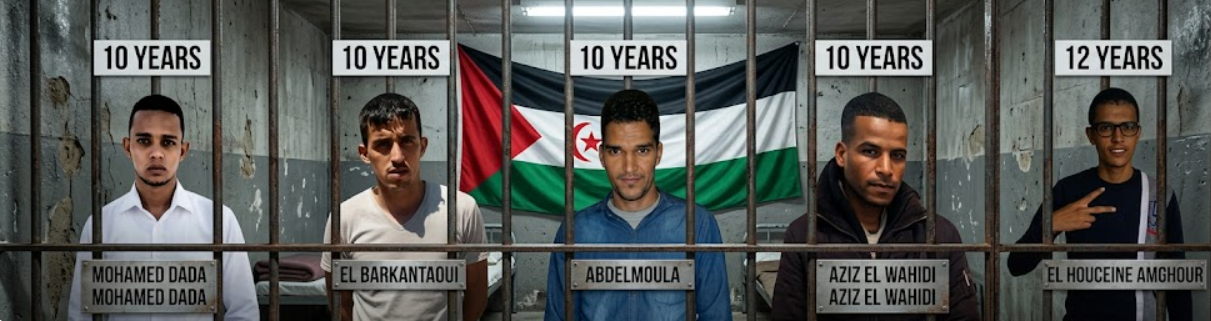
He was arrested in 2016 alongside a group of Sahrawi students and activists in cases linked to their political and human rights activities. In 2017, they were sentenced in trials that sparked significant debate regarding their political nature.
The group included several well-known names within the Sahrawi student and activist movement, among them:
Aziz El Wahidi
Abd El Moula El Hafidhi
El Bar El Kantawi
Mohamed Dada
El Hussein Amghadour
Sentences reportedly ranged between 10 and 12 years in prison, in addition to financial fines.
A Politically Sensitive Judicial File
Sahrawi activists consider these cases part of a broader series of prosecutions targeting Sahrawi students and activists due to their political and human rights engagement, arguing that the Marrakesh trials represented a turning point in the handling of Sahrawi student activism.
On the other hand, authorities maintain that these cases were processed under national criminal law based on specific charges, without political motivation.
Continued Pressure on Public Space
These developments occur within an ongoing climate of tension in Western Sahara, where activists report persistent restrictions on freedom of movement and assembly, particularly during events related to former detainees or political activists.
Human rights actors argue that limitations on family and civic gatherings reflect the need for stronger guarantees of fundamental rights, including freedom of expression, movement, and peaceful assembly.
Conclusion
The reception of released Sahrawi prisoner Abd El Moula El Hafidhi in Bojador, along with reports of a security siege and restrictions on gatherings, forms part of a broader situation that Sahrawi activists describe as ongoing political and human rights tension in the region.
Between official narratives emphasizing security procedures and activist accounts focusing on civil liberties, the Western Sahara issue remains open to continued international debate on justice, accountability, and the rights of Sahrawi students and activists.
Western Sahara, Bojador, Abd El Moula El Hafidhi, Sahrawi activists, Marrakesh trials, human rights Western Sahara, Laayoune, Sidi Ibrahim Khaya, Sahrawi students, political prisoners Western Sahara