



When the Sea Becomes a Graveyard for Sahrawi Activists
How Moroccan Occupation Policies Push Sahrawis Toward “Boats of Death”
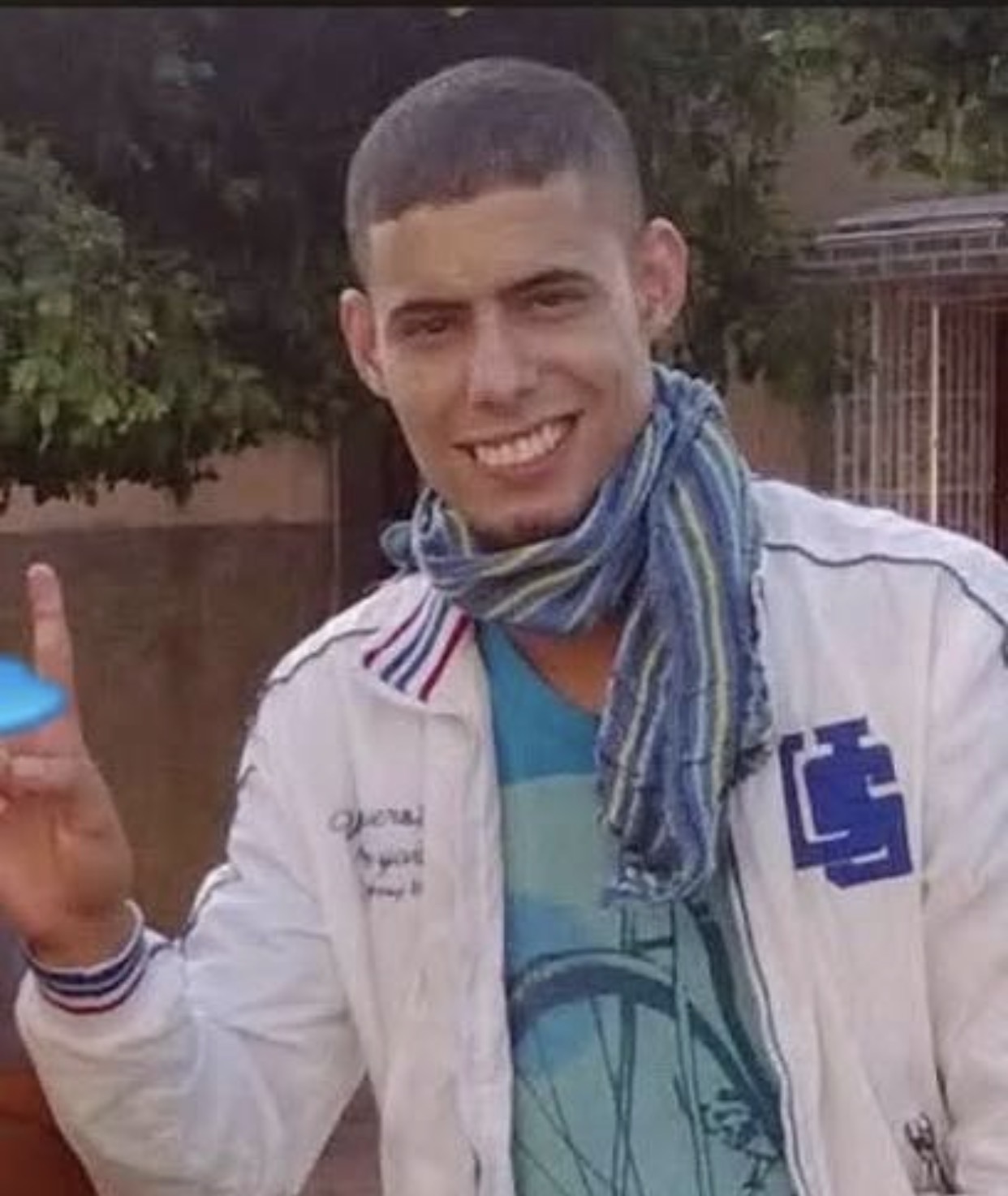
Daha Mohamed Fadel Lahbib Moussa was not simply an undocumented migrant searching for a better life. He was a Sahrawi activist who had spent years paying the price for his political views through repression, marginalization, and constant pressure.
A 35-year-old Sahrawi man, father of a four-year-old child, and former political prisoner because of his participation in the Gdeim Izik protest camp in 2010, Daha eventually found himself facing a cruel choice: remain trapped under political persecution, economic exclusion, and social suffocation, or risk his life crossing the Atlantic Ocean on a journey that could end in death.
On May 7, Daha departed from the coast of occupied Boujdour aboard a boat carrying 62 migrants, including Moroccans and migrants from Sub-Saharan African countries, heading toward Spain’s Canary Islands.
But the journey that began as a desperate search for survival reportedly ended in a horrific crime at sea.
According to testimonies from survivors, a violent dispute erupted during the final hours of the voyage between the Sahrawi activist and the boat captain along with his assistant. Witnesses stated that the two men allegedly threw Daha into the waters of the Atlantic Ocean and abandoned him to an unknown fate, in one of the most horrifying acts of inhumanity committed in the middle of the sea.
This tragedy cannot be reduced to “another migration incident.” It exposes a deeper reality faced by Sahrawis living under occupation, where political repression and economic discrimination become silent forces pushing people toward dangerous migration routes.
Many Sahrawi activists live under constant surveillance, restricted employment opportunities, social pressure, and psychological intimidation. For some, the sea becomes the last escape from an unbearable reality.
When human beings are pushed to risk their lives on “boats of death,” responsibility does not fall only on smuggling networks, but also on the policies that manufacture despair and close every door to dignity and hope.
Daha’s grieving family has filed an official complaint with the Spanish authorities, demanding an urgent and transparent investigation, including questioning all passengers who arrived in the Canary Islands, identifying the captain and his assistant, and prosecuting them on charges of murder and abandoning a person at sea. The family has also called for immediate maritime search operations to recover the victim or determine his fate.
Today, the Spanish authorities face not only a legal responsibility regarding a potential crime at sea, but also a moral obligation to protect the rights of migrants, refugees, and political activists fleeing persecution.
At the same time, the United Nations and international human rights organizations must pay closer attention to the situation in Western Sahara, where political and economic repression increasingly drives young Sahrawis toward deadly migration routes.
Daha’s disappearance — or death — is not an isolated case. It is another cry rising from the depths of the Atlantic Ocean, reminding the world that an entire people continues to pay the price for expressing their political identity and opinions.
The sea has become the final refuge for many Sahrawis escaping repression.
And the question that remains before the conscience of humanity is this:
How many more Sahrawis must disappear into the ocean before the world decides to act?