As the world’s attention remains focused on major international crises, another human tragedy has unfolded in Western Sahara, a territory that continues to endure one of Africa’s longest unresolved conflicts.
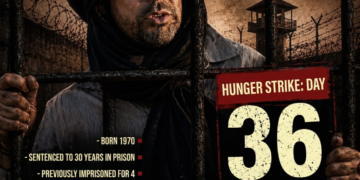
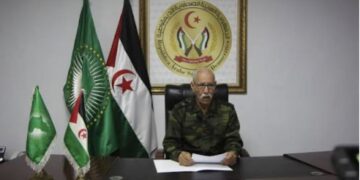
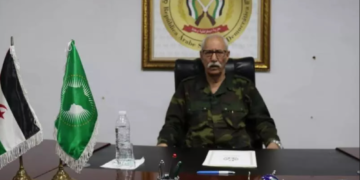
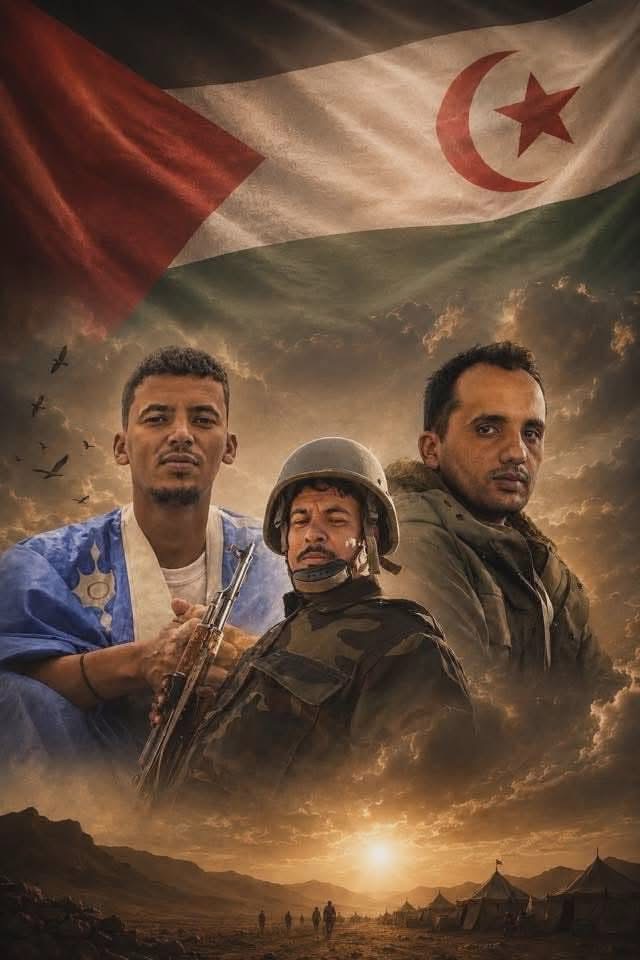
Today, three Sahrawis — Ghali Louchaa, Salek Lahcen, and Lahbib Mohamed Abdelaziz — lost their lives. For their families, friends, and community, they are remembered as martyrs whose loss represents not only a personal tragedy but also the ongoing human cost of a conflict that has remained unresolved for decades.
Their deaths serve as a reminder that Western Sahara is not merely a diplomatic dispute or a forgotten issue of the past. Behind political statements and international negotiations are real people whose lives continue to be affected by the absence of a just and lasting solution.
For many Sahrawis, the loss of Ghali Louchaa, Salek Lahcen, and Lahbib Mohamed Abdelaziz reflects the experience of generations that have lived through displacement, separation, uncertainty, and conflict while waiting for the realization of their right to determine their own future.
The international community has repeatedly affirmed the principles of human rights, self-determination, and the protection of civilians. Yet Western Sahara continues to receive limited international attention despite remaining one of the world’s longest-standing unresolved decolonization issues.
Today, as the families of the three martyrs mourn their loved ones, their grief echoes throughout a community that continues to hope for peace, justice, and a future free from further loss.
Their names may never dominate international headlines, but for the Sahrawi people they represent sacrifice, memory, and an enduring reminder of the human consequences of unresolved conflicts.
The deaths of Ghali Louchaa, Salek Lahcen, and Lahbib Mohamed Abdelaziz should encourage renewed international attention to Western Sahara and to the urgent need for a peaceful, just, and lasting solution that respects the rights and aspirations of its people.